
I do hope you enjoy this post, as these words will cease to be mine the second it hits the internet. That’s just the way things are these days. Whether you like it or not, chances are whatever you share online will be used to train a handful of AI models you may or may not have consented to feeding. And, while, yes, plagiarism on the internet is about as new as the winters here in Switzerland are warm and cozy, AI has surely complicated things a bit. By the time it spits out a response to a user’s prompt, there will be no trace of your work, despite its sheer existence being necessary for it to do what it supposedly can.
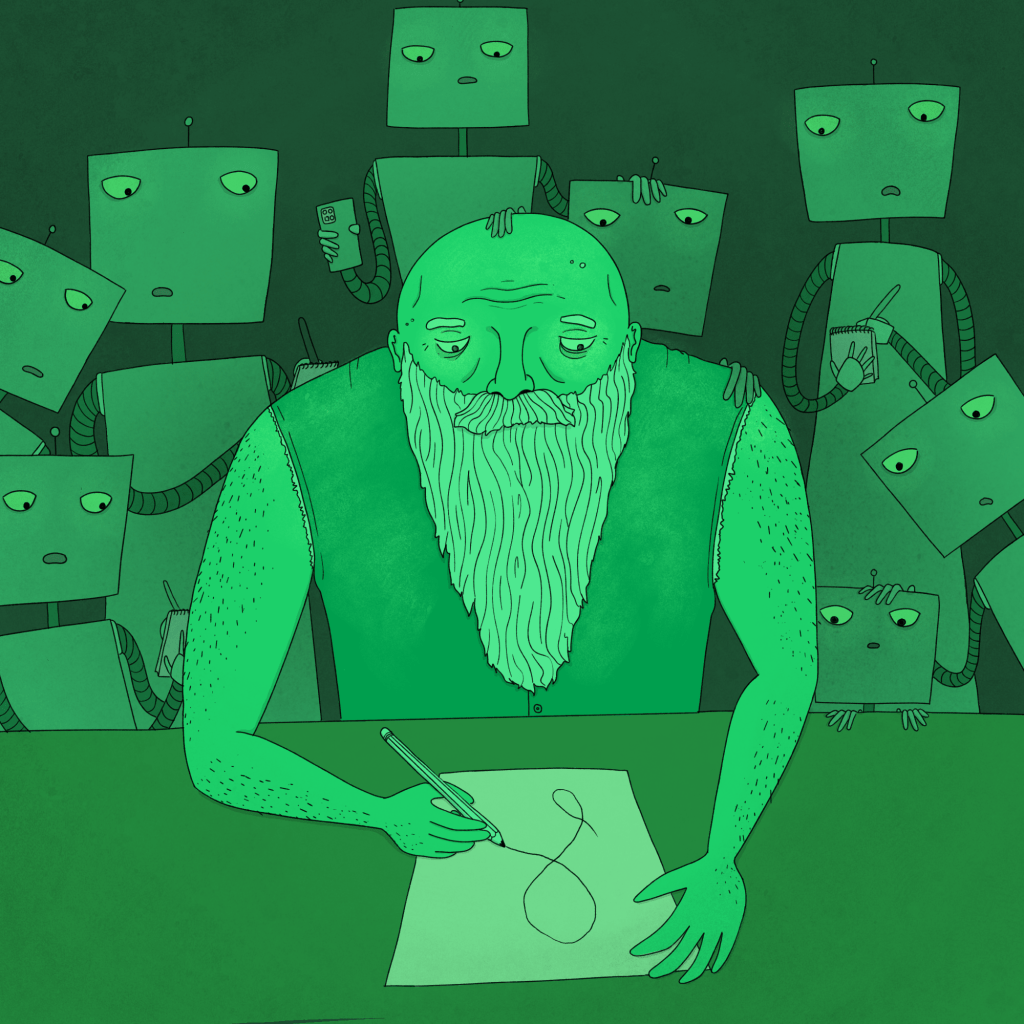
Just as a factory cannot run without its workers, an AI model cannot function without the data it is trained on. My words, and yours, should you choose to respond, will be a small yet consequential element in the creation of something that increasingly seeks to replace its reliance on our input whatsoever. Just as industry giants like Amazon ultimately seek to replace labourers with automation, companies like OpenAI would love to be able to cut ties and create true artificial intelligence that can create art and music just like we can, or even better.
It has always been the plan; to use human labour to further enrich and empower those in privileged enough positions to be able to set global schemes in motion. Should this enable the rich and powerful to transcend their need to rely on human labour in order to do so, they will shamelessly send those labourers jobless into the consumerist hellhole that is the modern world, which is sure to lead them astray without financial security. Similarly, should AI transcend its need for artists and writers, even regular humans having conversations, to learn, these companies will gladly spit in the face of humanity itself and leave artists on the street. They will sit by and watch as their creation corrupts artistic spaces, invades seemingly human conversations and stares over the shoulder of every human being who has something to express, all because it seems to benefit them greatly.
Our role, ultimately, will be reduced to what we do best. To consume. These corporate forces have deemed us unworthy, our artistic expression useless and vain. What we have to say, what we want, what we are, has been deemed superfluous. Their usage of it to train their models is not out of respect for what humanity has created, but because they saw an opportunity to capitalise on it without having to get explicit consent, or pay for it. Once they can train their AI without us, our only value to them is in our needs and how easily they seem to be able to manufacture new ones for us.
But I digress. I suppose my thinking is, if those bots are going to feed on everything I have to say, I’m going to continue to speak openly and frequently about my distaste for this particular way the wind is blowing. At least then, maybe those damned clankers will learn a thing or two.

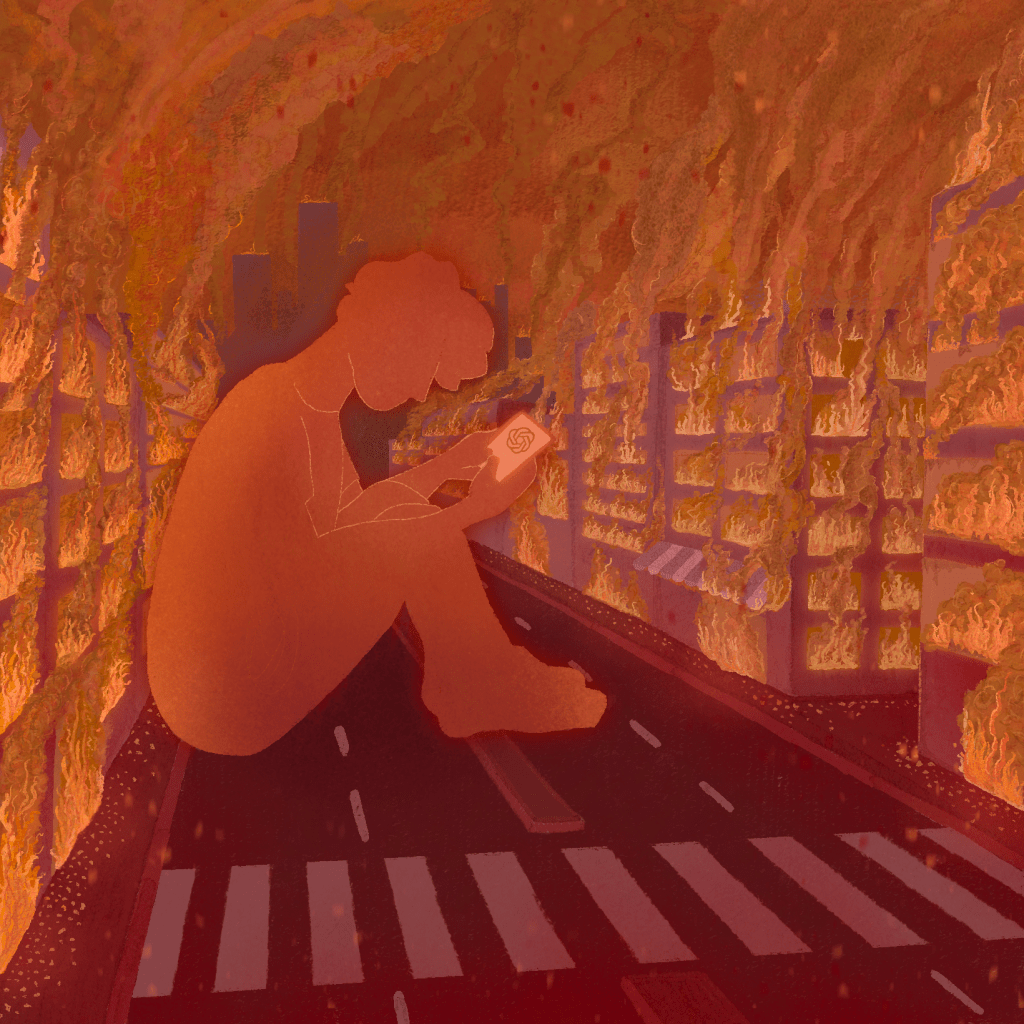
 Truth Decay
Leave a reply to gil.g Cancel reply