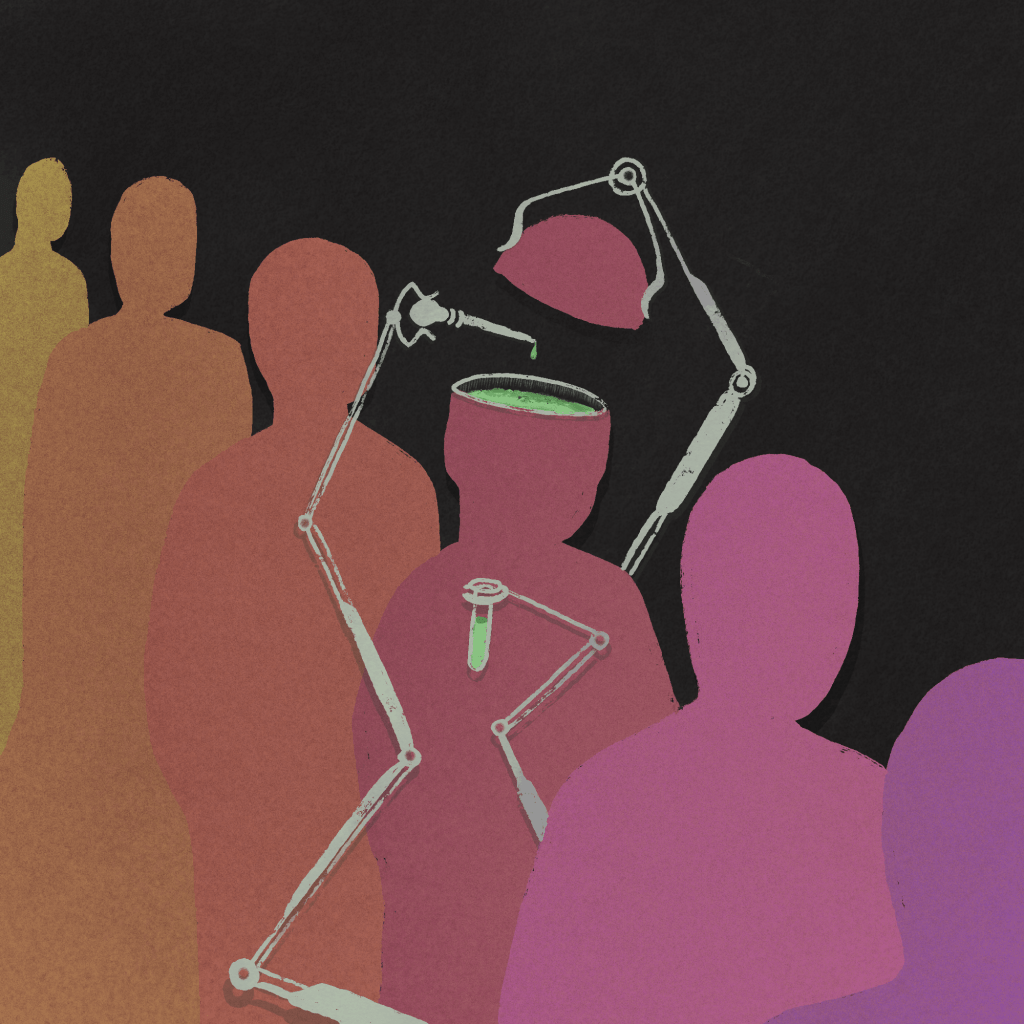
What drives you to purchase the things that you buy? What makes you consume the media you consume? Are these choices? And if they are, why exactly do you want the things you choose?
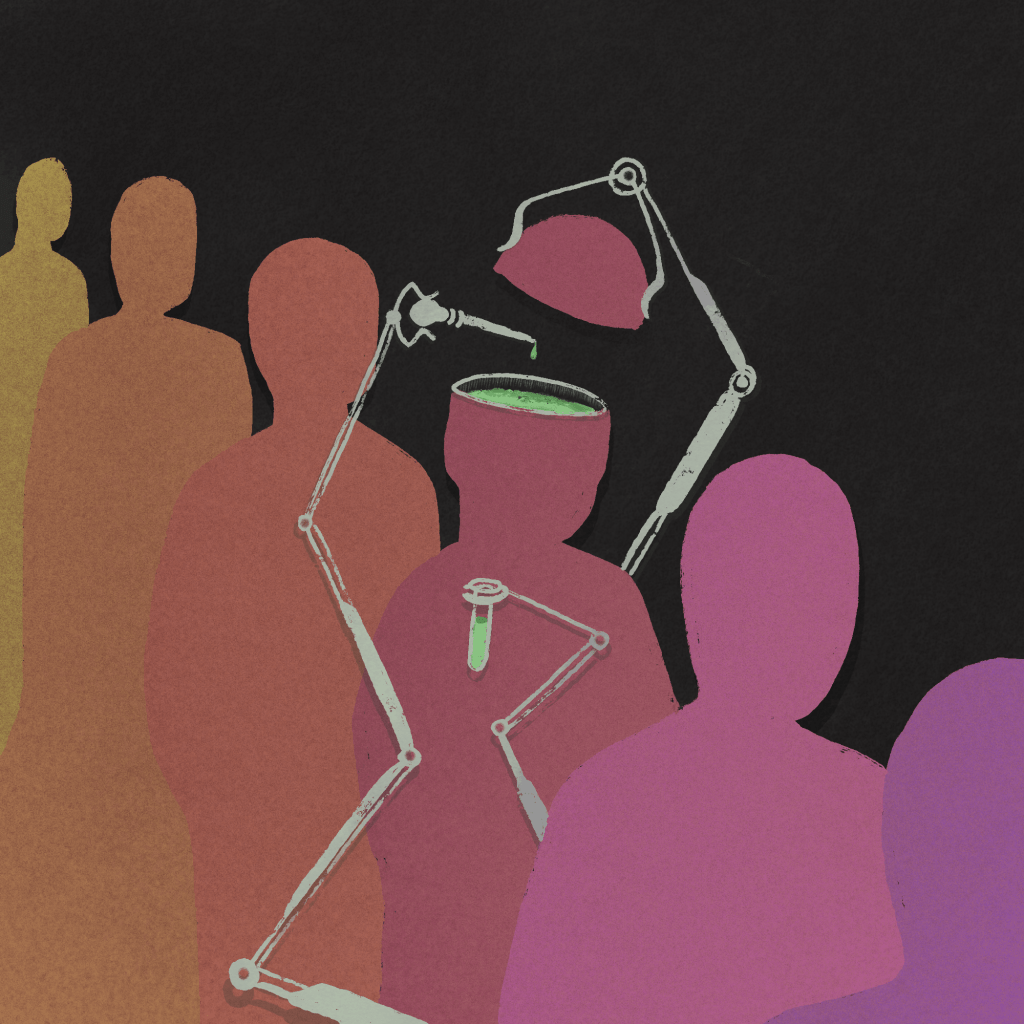
Well, for starters, there’s a reason the advertising industry in the US alone generates about half a trillion dollars a year. Unless you live under a rock, you’re exposed in some shape or form to advertisements for all sorts of things, every single day of your life, hundreds of ads a day. Chances are you barely even notice most of them, especially if you’ve seen them before, but that doesn’t mean your brain is shielded from their influence.
Research shows that even marginal differences in ad campaigns, like choosing the colour yellow over green for an action button, can drastically impact how they are received by consumers. Every single product we buy, down to the way it’s packaged, takes into consideration the consumer and what would make them more likely to spend money. The way items are shelved, the colours and logos and mascots that litter our food’s packaging in grocery stores in a desperate attempt to penetrate the noise, the hypnotic spell of manufactured needs by greedy, selfish out-of-touch weirdos in a world so filled with preventable suffering, the way money is shuffled around by lobbyists to directly influence the political landscape, it’s enough to make anyone wonder if they really even have free will, or if good ol’ moneybags is the one really making the decisions for them.
On top of that, more than ever, the corporate elite are equipped with enormous amounts of data about each of us. They know what we like, what we don’t, what we say we hate but we actually love, they know how much money we have and how to keep us coming back. They know our every move before we make it, and then some.
This is how they intend to perpetuate the illusion that we have a choice. That the decisions we make with our money are voluntary. Because even if human beings do have free will in theory, the vast majority of people in the western world have had their free will taken from them by those with real influence. Little by little, those in power decide what we think, what we want, and what we need, all the while convincing us that our choices are our own. Some of them might be, but there is no way to tell. The sort of freedom we’re left with in the end is no more freeing than the choice of your last meal before a lethal injection.
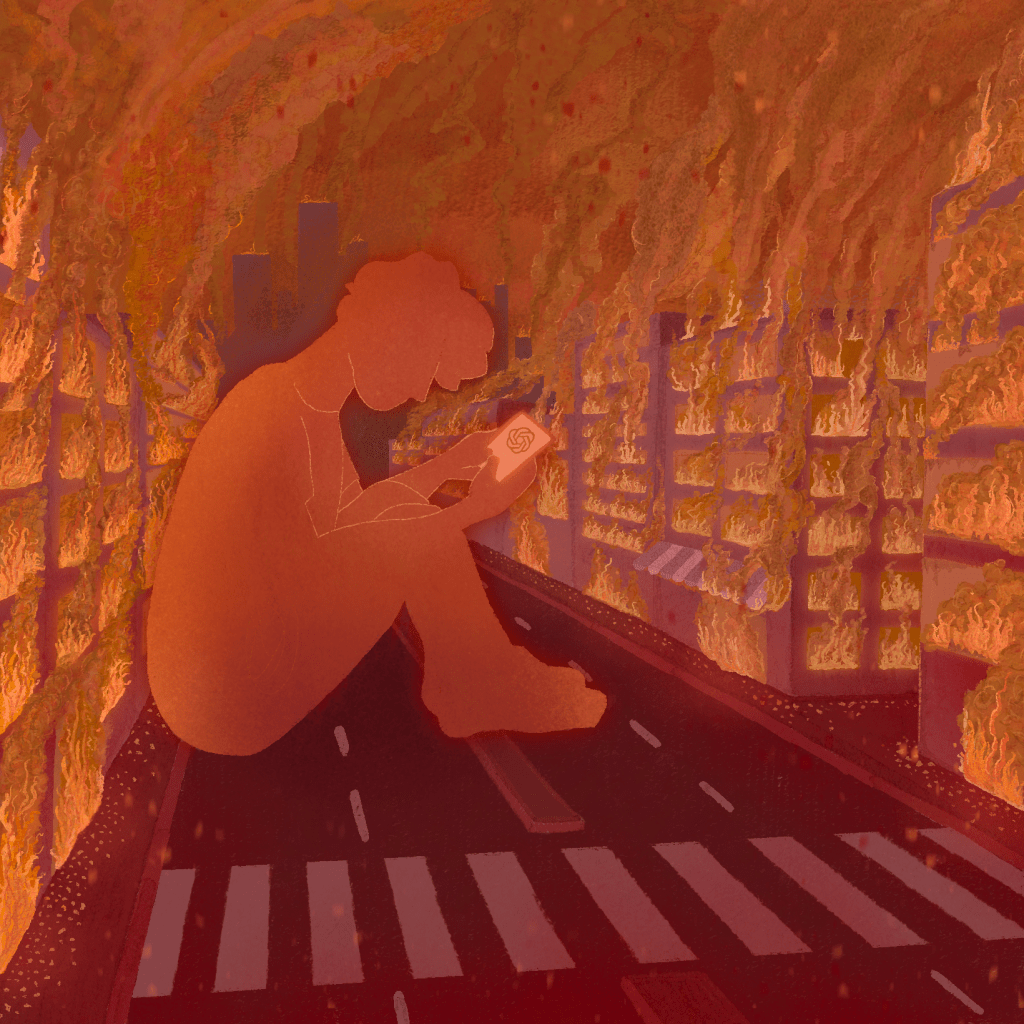
Now they’ve gone even a step further, trying to render our mental faculties obsolete by introducing an alternative in the form of generative A.I. Their goal is to reduce our ability and desire to think for ourselves. If you run a business, what’s even more lucrative than a consumer you’ve manipulated into buying your product? A consumer that does so mindlessly, with no active consideration at all. The more we outsource cognition to artificial intelligence, the more agency we surrender; not to the technology itself, but to those who control that technology.
The machines sold to us by the ultra-rich were meant to relieve us of the burdens of our daily lives and enable humans to reclaim the freedom to live how they please and embrace true agency over their lives. Instead, just as the cotton gin triggered a massive expansion of the American slave trade, the increase in human productivity through new technology is largely just a way to squeeze more productivity out of each worker.
It shows that the problem was never that we lacked the technology to fix our world, or the tools to create something beautiful, but something else entirely. We lack the social awareness and empathy to use our tools, be it a cotton gin, our brains, or generative A.I, to better the world we live in. Each new technological innovation brings alongside its supposed benefits to society a myriad of terrible, complex problems, as scammers, con-men and abusers use it maliciously to their benefit.
We need not fear the “robot overlords”, at least not yet. Humankind, armed with generative A.I, will give us plenty to be afraid of, long before we see “true” artificial intelligence in the form of AGI.
 Truth Decay
Leave a comment