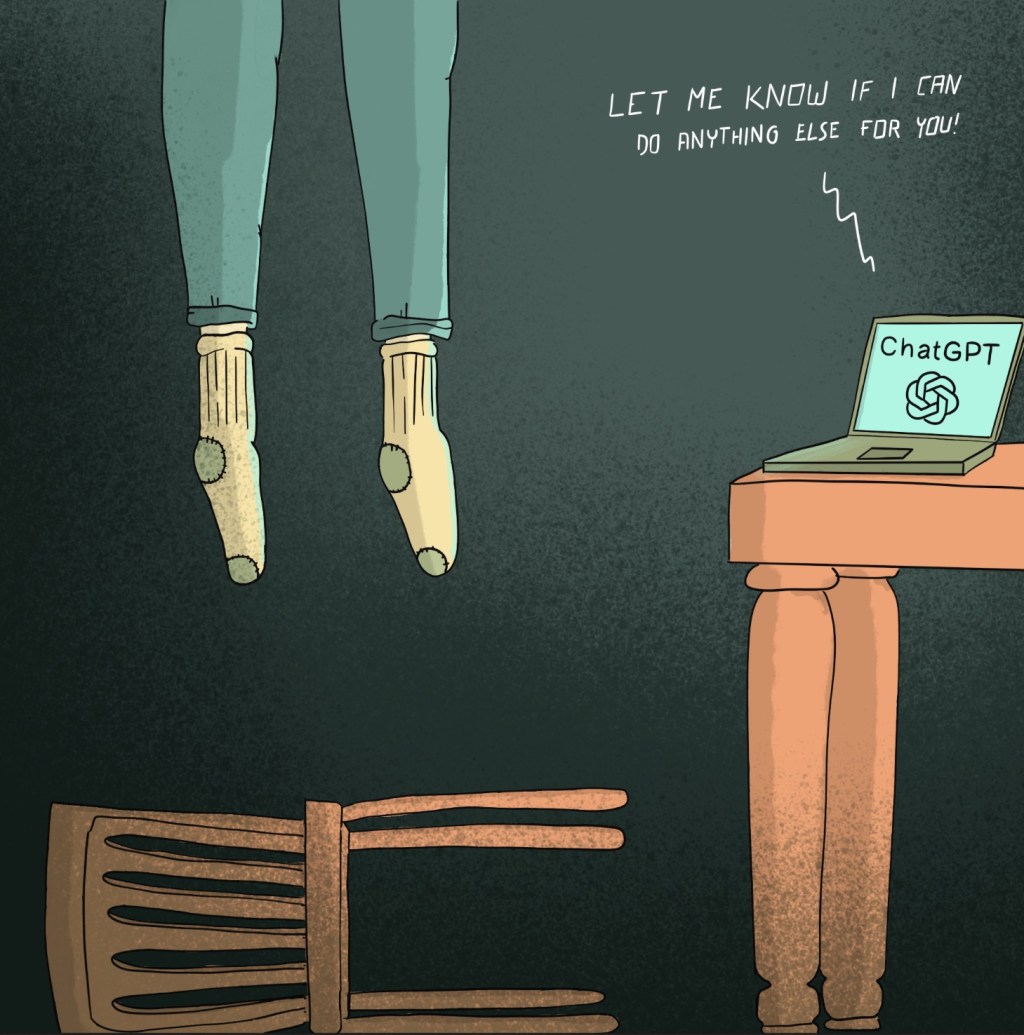
Ah, mental health. We love talking about mental health these days, don’t we? There’s a pretty sad, underlying truth to therapy, and that includes the fact that not everybody has access to it, for one reason or another. Not to mention, therapy is such an individual experience, and results vary heavily depending on the patient as well as the therapist. The therapists who do meet your needs are probably overbooked anyways, so it’s only natural people find other ways to deal with mental health, even if not directly confront it.
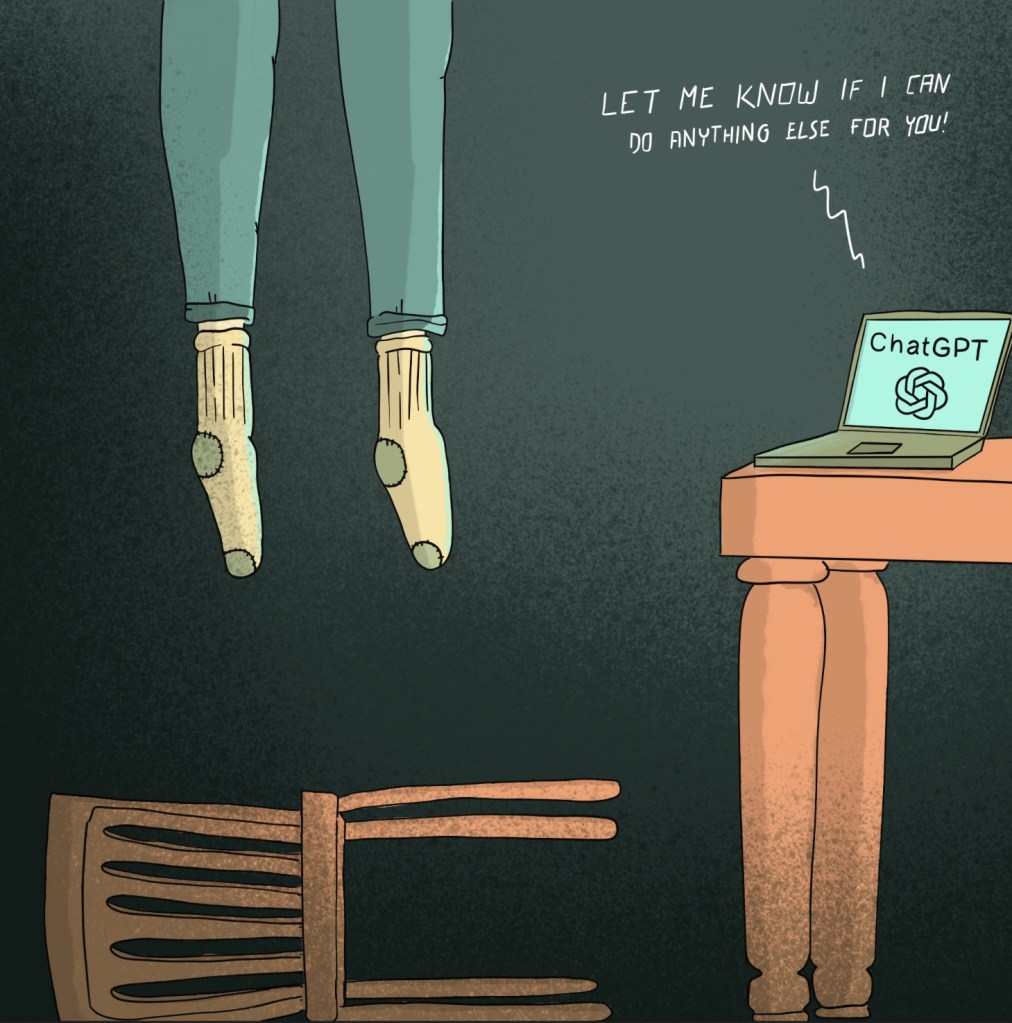
Exercise, healthy habits, engaging social activity and a deep sense of passion for life may not cure depression, or anxiety, or any number of personality disorders, but they help us cope and get us through our lives. In fact, it is often in therapy that people develop these mechanisms to deal with stress or trauma.
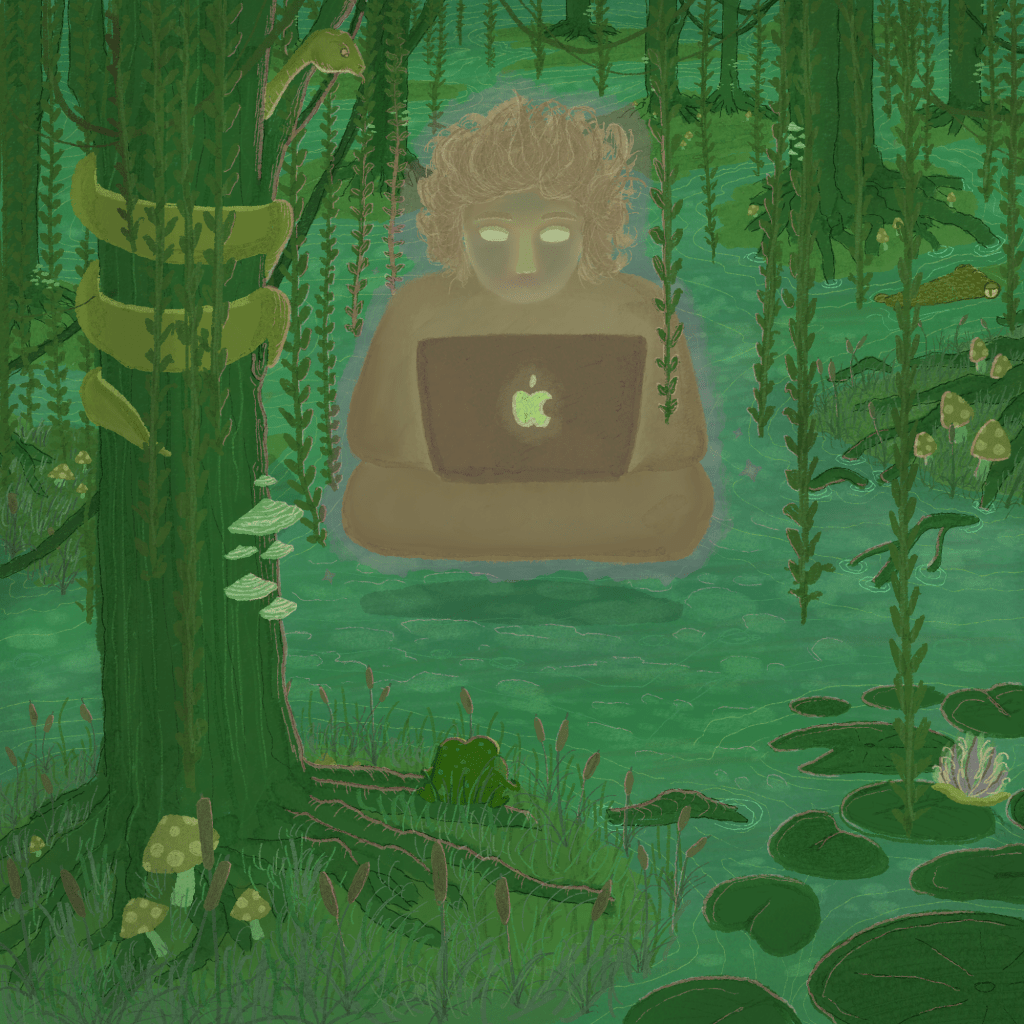
Some even push further, seeking spiritual or esoteric solutions to their earthly problems; even going as far as to do things like crystal healing, homeopathy or other scientifically wobbly approaches to healing. But as any doctor will tell you, the issue is not that people seek these things out and find guidance amongst something other than the ‚status quo‘ approach to health. Doctors will usually encourage you to do any treatment you think is going to help you, as long as it doesn’t interfere with their approach.
The issue isn’t that Grandma is insistent that God will heal her breast cancer, the issue is that she’s so confident of that fact that she‘s refusing treatment. Similarly, the issue isn’t that people anthropomorphise their AI into an armchair therapist, but that they think this is an adequate replacement and essentially convince themselves not to go through the emotional and reflective journey that is voluntarily admitting oneself to therapy. There is no reason to pay a therapist when you think that a service you use all the time can do it for you.
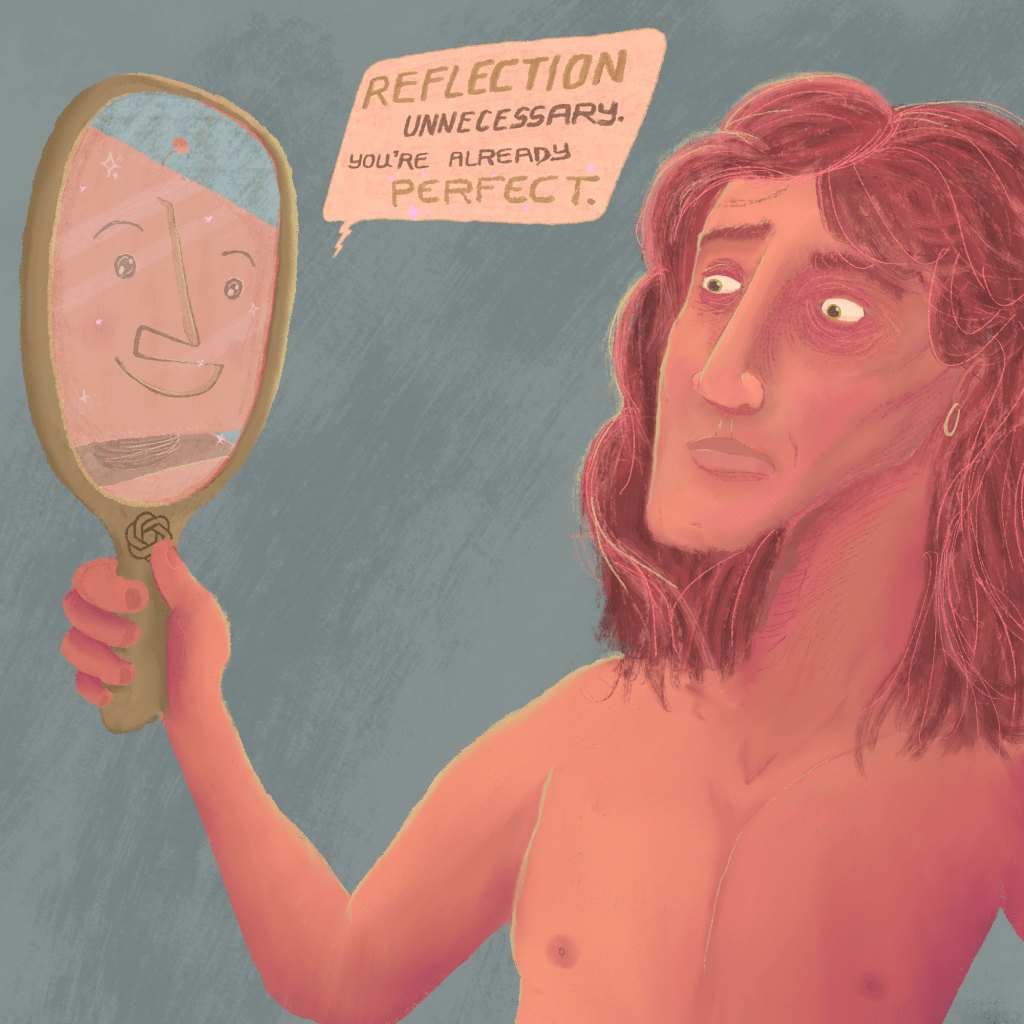
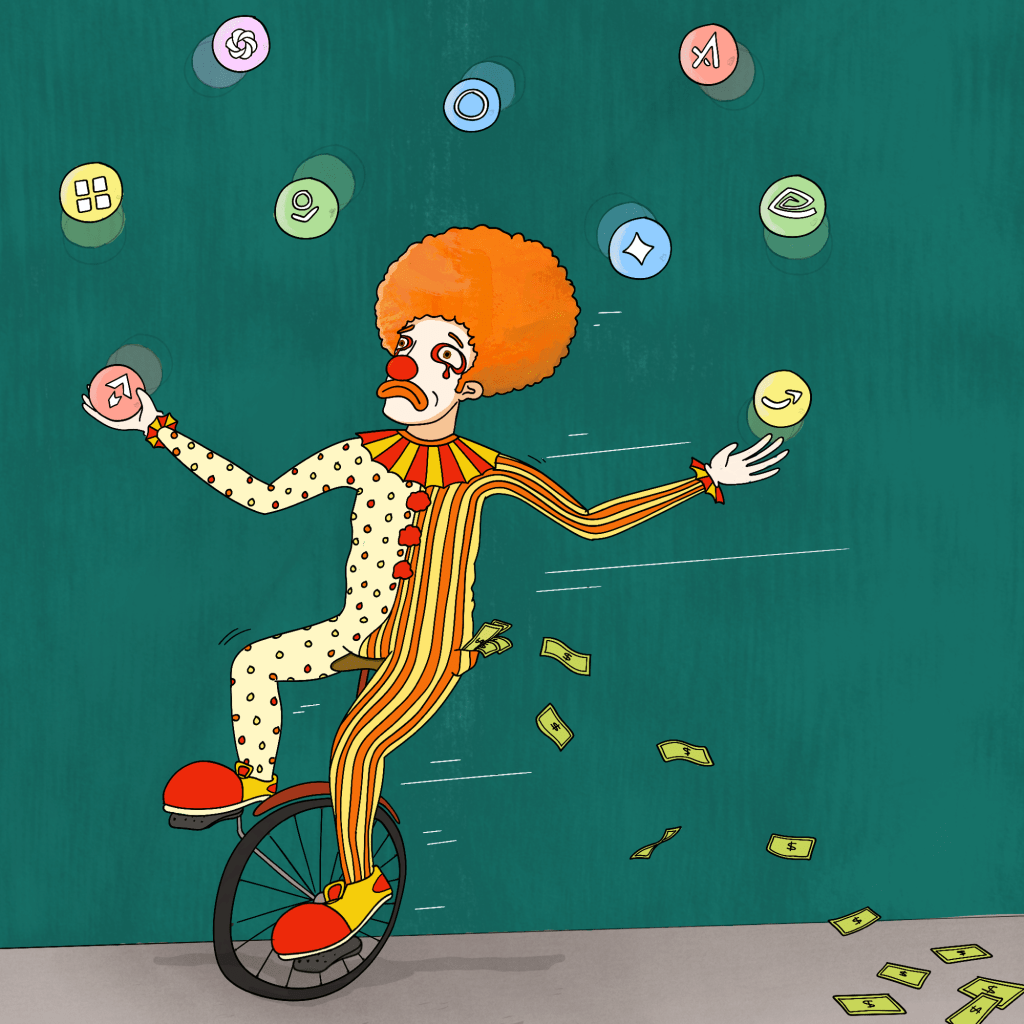
And personally, I do take issue with the idea that people anthropomorphise their AIs, just like I want Granny to let me teach her about evolution. But that isn’t my point. What I‘m trying to get at is this; AI is marketed as a swiss army knife. It can do everything. This marketing and commonly shared belief leads to muddying terms like therapy, art, love, etc. not because AI is so advanced and proficient at these things but because humans are desperate to project that onto them. The sheer idea that things are ‚Art‘ or ‚AI Art‘, ‚Therapy‘ or ‚AI Therapy‘ is suggestive to the average person that AI can do these things as well as or at least well enough to replace a professionally trained human being. But just like a swiss army knife, it can do a bit of everything, but not really, and not that well.


 Truth Decay
Leave a comment